
Home / Blog / Primary Care
Walk-In & Urgent CareWhen to Seek Medical Care for Flu Symptoms, and When Testing Helps
Flu symptoms can appear suddenly, leaving you with a fever, cough, body aches, and unusual tiredness. While many people recover at home, some symptoms need medical attention, particularly if you have an underlying health condition or your illness is getting worse.
Mild symptoms
Not at higher risk and slowly improving? You may be able to recover at home with rest, fluids and supportive care.
How to manage flu at home →Contact a provider
- Symptoms are getting worse, or improve then return
- You are at higher risk of complications
- You can’t drink enough fluids or manage daily activities
Emergency signs
Trouble breathing, chest pain or pressure, confusion, seizures or no urination need care right away.
See all emergency warning signs →Knowing when to seek medical attention for flu can help you avoid unnecessary delays and recognize when testing or treatment may be useful.
The right next step depends on your symptoms, how long you have been sick, and your risk of developing complications.
Which Flu-Like Symptoms Need Prompt Medical Advice?
Influenza is a contagious respiratory illness that can cause mild to severe symptoms. Common signs include:
Not everyone with the flu develops a fever. Flu symptoms can also overlap with other respiratory infections, including COVID-19.
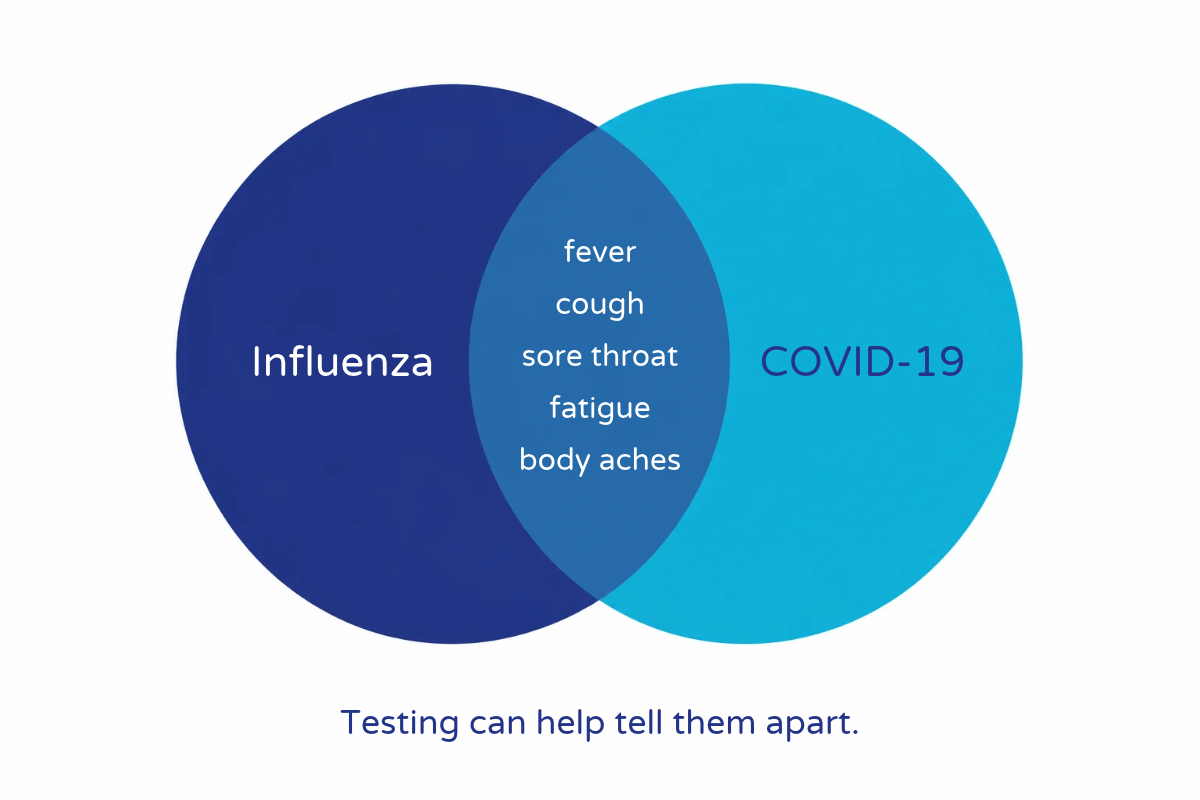
Flu and COVID-19 share many symptoms, so symptoms alone can’t reliably tell them apart.
When to Contact a Healthcare Provider
Consider contacting a healthcare provider promptly if:
- Your fever or cough is getting worse rather than improving
- Symptoms improve initially but then return or worsen
- You are having difficulty drinking enough fluids
- Your symptoms are affecting your ability to manage daily activities
- You have a medical condition that increases your risk of complications
You should also seek medical advice early if you are at higher risk of serious flu complications.
People at higher risk include adults aged 65 and older, young children (especially those younger than 2), pregnant patients, people with weakened immune systems, and individuals with conditions such as asthma, diabetes, heart disease, or chronic lung disease.
For higher-risk patients, early medical assessment is particularly important because antiviral treatment may help reduce the severity of illness and complications.
Not sure if you need to be seen?
PHC’s Boro Park clinic sees adults and children for everyday illnesses. Call ahead to check walk-in availability and current hours.
Flu Warning Signs That Need Emergency Care
Call 911Seek emergency medical care immediately if you experience:
- Difficulty breathing or significant shortness of breath
- Persistent chest or abdominal pain or pressure
- Persistent dizziness, confusion, or difficulty staying awake
- Seizures
- Not urinating, which may indicate serious dehydration
- Severe muscle pain, weakness, or unsteadiness
A fever or cough that improves and then returns or worsens can also be a warning sign of a serious complication. Seek medical care immediately if this happens, especially if symptoms are severe or accompanied by breathing difficulties or worsening weakness.
If symptoms are severe or life-threatening, call 911 or go to the nearest emergency department.
When Might a Clinician Recommend Flu Testing?
Not everyone with flu-like symptoms needs a test. A healthcare provider may diagnose influenza based on your symptoms, medical history, examination, and local flu activity. Testing may be recommended when the results could help guide treatment decisions or distinguish influenza from other respiratory illnesses, including COVID-19.
A clinician may consider testing based on:
- Symptom onset: When symptoms began and how they have progressed
- Medical risk factors: Whether you are more likely to develop complications
- Symptom severity: Whether your illness is worsening or requires additional evaluation
- Possible exposure: Whether you have recently been around someone with a confirmed respiratory infection
- Treatment decisions: Whether identifying the virus could influence your care
Because flu and COVID-19 can cause similar symptoms, a clinician may also recommend testing for more than one respiratory virus.
How Do You Get Tested for the Flu?
Flu testing generally involves collecting a respiratory sample, often using a nasal swab.

Most flu tests start with a quick nasal swab.
Rapid antigen test
Detects influenza virus proteins. Less sensitive than molecular tests and may miss some infections.
Results: About 10–15 minutes
Sensitivity: Lower
Molecular test
Detects genetic material from influenza viruses. Generally more sensitive than rapid antigen tests.
Results: About 15–20 minutes (rapid molecular); laboratory tests may take longer
Sensitivity: Higher
Your healthcare provider can determine whether testing is appropriate and explain which options are available.
Can You Still Have the Flu After a Negative Test?
Yes. A negative rapid antigen test does not always rule out influenza. False-negative results can occur, particularly when influenza is circulating widely in the community.
If your symptoms strongly suggest flu, your clinician may recommend further testing or treatment based on your overall condition, even if an initial rapid test is negative.
Why Timing Matters for Flu Treatment
Flu treatment decisions often depend on when symptoms first appeared.
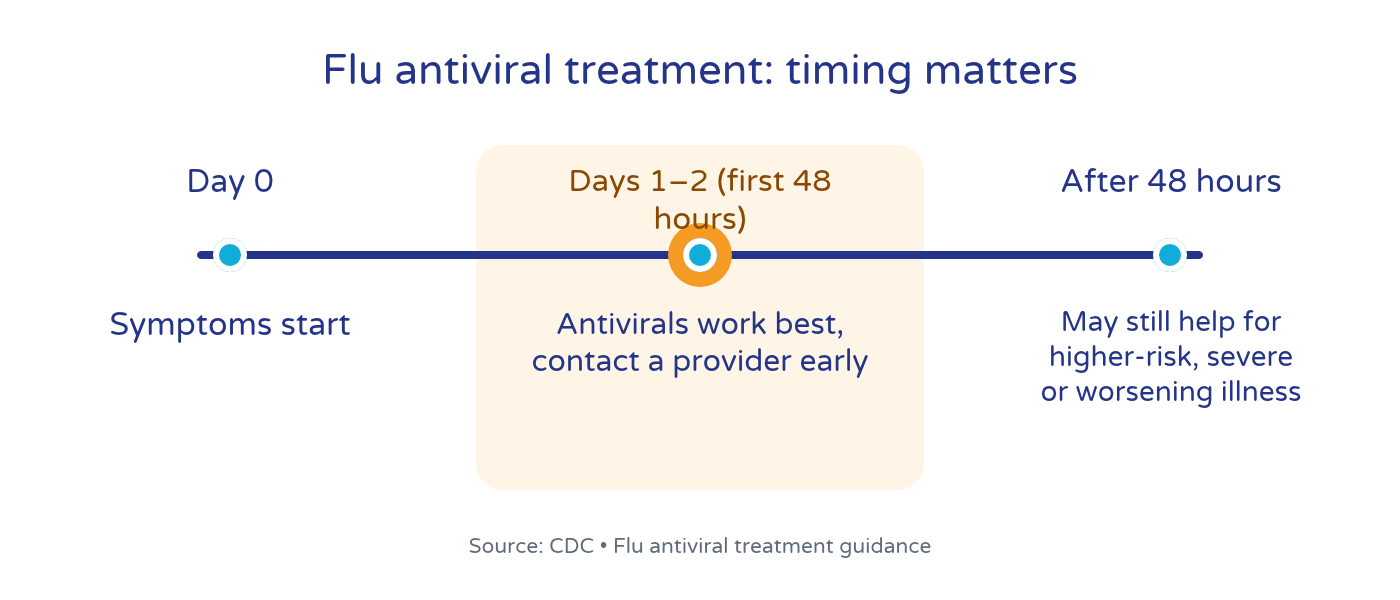
Antivirals work best when started within the first one to two days of illness.
Prescription antiviral medications work best when started within the first one to two days of illness. They may help shorten the duration of symptoms and reduce certain complications.
However, antiviral treatment may still be beneficial after 48 hours, particularly for hospitalized patients and those with severe or worsening illness. Patients at higher risk of flu complications should contact a healthcare provider promptly, even if more than two days have passed since symptoms began.
Do not wait for a positive flu test before contacting a healthcare provider if you are at higher risk or your symptoms are worsening.
A clinician can evaluate whether antiviral medication is appropriate. Antibiotics do not treat influenza because the flu is caused by a virus.
Managing Mild Flu Symptoms at Home
If your symptoms are mild and you are not at higher risk of complications, you may be able to recover at home with supportive care.

Get adequate rest and drink plenty of fluids.
Use over-the-counter medication for fever or discomfort when appropriate, following the label instructions.
Stay home and away from others until your symptoms are improving overall and you have been fever-free for at least 24 hours without fever-reducing medication.
Take additional precautions, such as wearing a well-fitting mask around others, for the next five days.
Contact a healthcare provider if symptoms worsen or you develop new concerns.
What Happens During a Flu Assessment?
During a medical assessment, your healthcare provider will review your symptoms and determine whether additional evaluation or treatment is needed.

The visit may include:
Your clinician may also evaluate for complications or another cause of your symptoms if your condition suggests something beyond uncomplicated influenza.
One clinic for your whole family
Primary care, pediatrics and specialists under one roof at 4426 18th Avenue. Most insurance plans and Medicaid accepted.
What Should You Tell PHC Before a Visit?
If you are considering a primary care visit for flu-like symptoms, having a few details ready can help your healthcare provider understand your condition.
Flu Symptoms and Timing Checklist
Before contacting PHC Medical Center, make a note of:
When symptoms started: The date or approximate time you first felt unwell
Current symptoms: Fever, cough, sore throat, congestion, body aches, or fatigue
Temperature readings: Any measured fever and when it occurred
Symptom changes: Whether you are improving, getting worse, or experiencing new symptoms
Medical conditions: Such as asthma, diabetes, heart disease, or immune system conditions
Medications taken: Including fever reducers or other treatments
Recent testing: Any flu or COVID-19 tests and their results
You can also mention any recent contact with someone who has been sick.
If you have respiratory symptoms, contact the facility before visiting to ask about current testing arrangements and any precautions you should follow.
Flu-Like Symptoms? Contact PHC Medical Center in Brooklyn
If you have non-emergency flu-like symptoms and are unsure whether you need medical attention, PHC Medical Center offers walk-in primary care in Borough Park, Brooklyn.
PHC serves patients from the surrounding community, including Kensington and Flatbush, with primary care services for common illnesses and ongoing health concerns.
A healthcare provider can evaluate your symptoms, review your medical history, and recommend an appropriate next step.
Care for Flu Season and Beyond
From a same-day sick visit to ongoing care for asthma, diabetes or heart health, your PHC team keeps everything in one record under one roof.
Urgent Care
Walk in for illness and minor injuries, no appointment needed.
Learn more →Primary Care
Checkups, screenings and ongoing care for adults.
Learn more →Pediatrics
Newborn care, well-child visits, vaccinations and sick visits.
Learn more →Internal Medicine
Adult care focused on prevention and chronic conditions.
Learn more →Need Medical Advice About Flu-Like Symptoms?
Contact PHC Medical Center at (718) 854-0001 to learn about walk-in primary care availability, current hours, and flu-testing options.
Frequently Asked Questions
Quick answers about flu testing, timing and when to call.
Does Everyone With Flu Symptoms Need a Test?
No. Not everyone with flu symptoms needs testing. A healthcare provider may diagnose influenza based on your symptoms and clinical assessment. Testing may be recommended if the results could influence treatment decisions or help distinguish flu from another respiratory infection.
Can a Negative Flu Test Rule Out the Flu?
No. A negative rapid antigen test does not completely rule out influenza. Some tests may miss an infection, and your healthcare provider may recommend additional testing or treatment if flu is still suspected.
Should I Wait for a Test Before Contacting a Clinician?
No, especially if you have worsening symptoms or a higher risk of complications. Early assessment matters because antiviral treatment is most effective when started promptly. Your clinician can determine whether testing is necessary without delaying appropriate care.
How Soon After Symptoms Start Should I Ask About Flu Treatment?
It is best to contact a healthcare provider as early as possible, particularly within the first 48 hours. People at higher risk or those with severe or worsening illness may still benefit from antiviral treatment after that period.
Can Flu Symptoms Be Confused With COVID-19?
Yes. Influenza and COVID-19 share several symptoms, including fever, cough, sore throat, fatigue, and body aches. Because symptoms alone cannot reliably distinguish these infections, a healthcare provider may recommend testing for flu, COVID-19, or both when the results would help guide care.