
Home / Blog / Pediatrics
PediatricsWhen to Call the Pediatrician for a Fever: A Parent’s Guide
A child’s fever can be unsettling, especially when it appears suddenly or rises overnight. The temperature is useful information, but it is not the only sign that matters. Your child’s age, breathing, alertness, fluid intake, and other symptoms help determine whether to monitor at home, call a pediatric clinician, or seek emergency care.
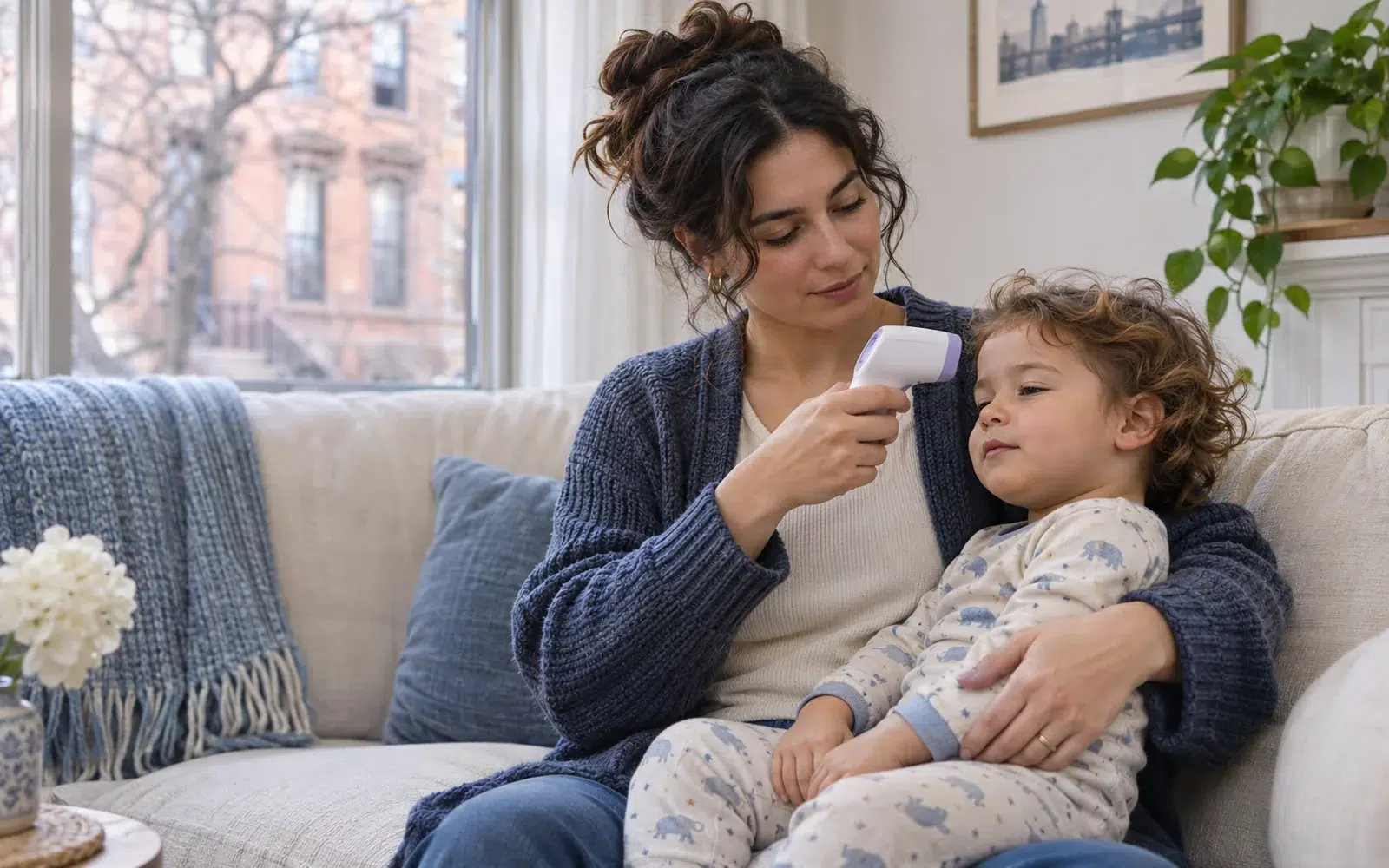
Monitor at home
Older baby or child who is alert, drinking well and showing no warning signs? A provider may recommend home monitoring.
Supporting a mild fever at home →Call the pediatrician
- Baby under 3 months with 100.4°F (38°C) or higher: call right away
- Baby 3–6 months with any fever
- Child looks unwell, drinks poorly or seems worse
Emergency signs
Struggling to breathe, blue or gray lips, hard to wake, a seizure, or a stiff neck with severe headache need care right away.
See all emergency warning signs →If you are wondering when to call the pediatrician for a fever, start with your child’s age. A fever in a newborn or young infant requires a different response than a fever in an older child who is drinking, responding, and playing normally.
Why Your Child’s Age Changes the Next Step
Babies younger than 3 months
For a baby younger than 3 months (12 weeks), a rectal temperature of 100.4°F (38°C) or higher requires immediate medical advice and prompt evaluation, even if the baby otherwise looks well. Call your pediatrician right away. If you cannot reach a clinician promptly, seek emergency evaluation. Do not give fever-reducing medicine before getting medical guidance.
Babies 3 to 6 months
Contact your child’s pediatrician if your baby is between 3 and 6 months old and has a fever, even if the temperature is below 101°F (38.3°C). A temperature of 101°F (38.3°C) or higher warrants prompt medical advice. Seek care sooner if your baby is unusually sleepy, feeding poorly, very irritable, or appears ill.
Older babies and children
For children older than 6 months, a temperature of 103°F (39.4°C) or higher is a reason to contact the pediatrician. Even at a lower temperature, call if your child looks unwell, has concerning symptoms, or has a condition that increases the risk of complications. Repeated temperatures above 104°F (40°C) also require prompt medical advice.
How long has the fever lasted?
For younger children, a fever lasting more than 24 hours warrants a call if they are under 2 years old; for children aged 2 or older, contact the pediatrician if the fever lasts more than 3 days. These are general guides, not reasons to wait when your child seems seriously ill.
What to Notice Besides the Temperature
How to Measure and Record a Fever
Use a digital thermometer and note both the reading and where you measured it. Rectal readings are generally most accurate for infants, especially those younger than 3 months. Forehead thermometers may be used at any age when used correctly; ear thermometers are not reliable for babies younger than 6 months. Oral readings are usually suitable from around age 4 when a child can use the thermometer correctly. Underarm readings can help screen for fever but are less accurate.
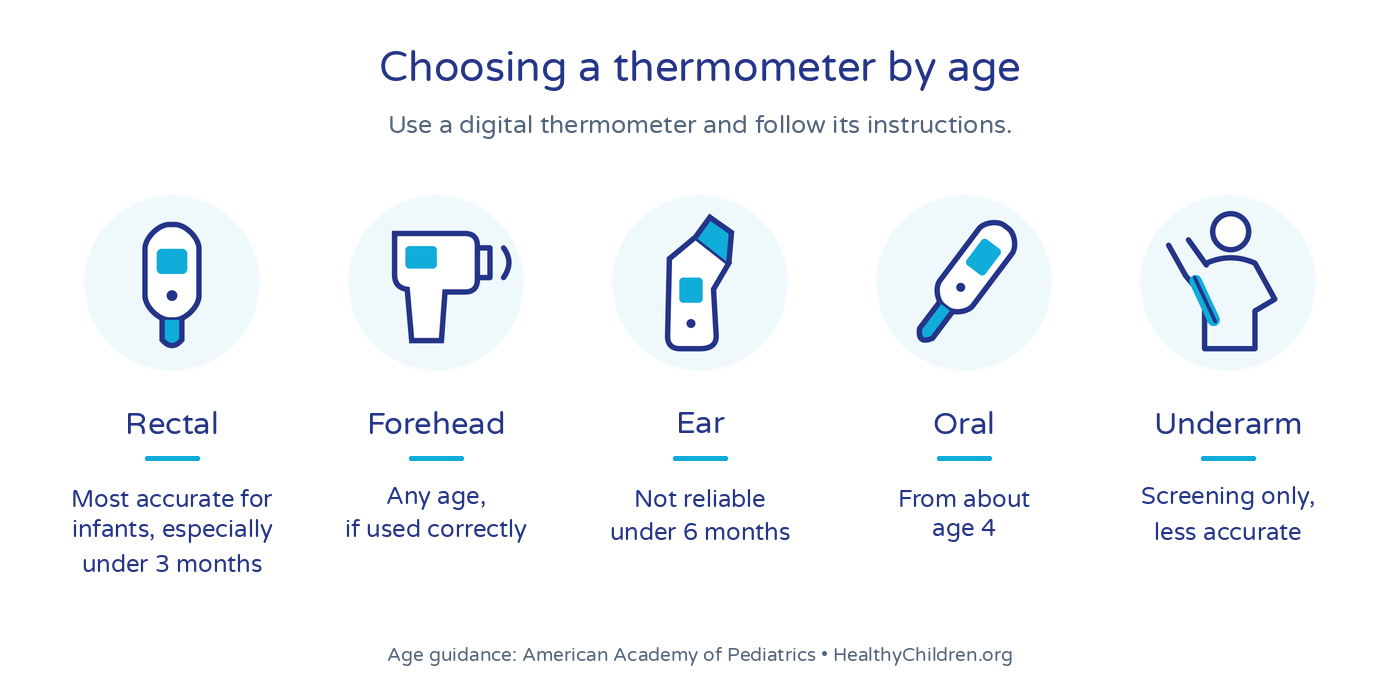
Always note the reading and the method you used. Your pediatric team will ask for both.
Questions about your child’s fever?
PHC’s pediatric team in Boro Park can help you decide the right next step. Call to ask about pediatric availability.
When to Call Promptly, and When Emergency Care Is Needed
Call the pediatrician promptly if your child:
(718) 854-0001- Is younger than 3 months and has a temperature of 100.4°F (38°C) or higher. This needs immediate assessment.
- Has a fever with a new rash, persistent vomiting or diarrhea, significant ear or throat pain, or a severe headache.
- Is drinking poorly, has fewer wet diapers, or seems unusually irritable, sleepy, or uncomfortable.
- Seems worse, or still looks sick after the temperature comes down.
- Has an immune-system problem, sickle cell disease, significant heart disease, or another condition that makes illness higher risk.
Seek emergency care immediately if your child:
Call 911- Has severe difficulty breathing, blue or gray lips, or is struggling to breathe.
- Is hard to wake, unresponsive, confused, or experiences a seizure. Call 911 if this is your child’s first seizure, the seizure lasts more than five minutes, breathing is affected, or your child does not recover normally afterward.
- Has a stiff neck with severe headache or a concerning rash, especially one that does not fade when pressed.
- Shows signs of severe dehydration or appears seriously ill.
Call 911 for life-threatening symptoms. A baby younger than 3 months with a confirmed fever should be evaluated urgently, even without these warning signs.
Supporting a Child With a Mild Fever at Home
For older babies and children with mild fever, a healthcare provider may recommend home monitoring if they are alert, drinking well, and showing no warning signs. Babies aged 3–6 months should receive pediatric advice when they have a fever. Offer fluids or age-appropriate feeds frequently, allow rest, and dress your child in light, comfortable clothing. For babies younger than 6 months, continue breast milk or formula rather than offering extra water.

Fever Medicine Safety
Fever-reducing medicines such as acetaminophen or ibuprofen may help relieve discomfort when appropriate for your child’s age and weight.
Check with your pediatrician first
- Consult your pediatrician before giving acetaminophen to children younger than 2 years.
- Do not give fever medicine to babies younger than 3 months unless specifically directed by a clinician.
- Ibuprofen should not be given to babies younger than 6 months unless a doctor advises it.
Never
- Give aspirin to children.
- Alternate fever medicines without medical guidance.
- Use rubbing alcohol or ice baths to lower a fever.
What Information to Have Ready for the Pediatric Team
A short parent call checklist can help the care team decide the next step more quickly:
Parent Call Checklist
Age: Your child’s exact age, especially if younger than 6 months
Temperature: Highest temperature, time measured, and thermometer method (rectal, forehead, ear, oral, or underarm)
Timing: When the fever began and whether it comes and goes
Symptoms: Breathing, alertness, discomfort, rash, vomiting, or other symptoms
Fluids: How much your child is drinking or feeding and the number of recent wet diapers or trips to the bathroom
Medicines and history: Medicines given, the dose and time, relevant medical conditions, and recent sick contacts
Pediatric Fever Questions? Contact PHC Medical Center in Brooklyn
PHC Medical Center provides pediatric services in Borough Park, Brooklyn, serving families in nearby Kensington, Flatbush, and surrounding communities. If your child has a non-emergency fever and you are unsure what to do, call PHC at (718) 854-0001 to ask about pediatric availability and the appropriate next step. Confirm the ages seen and current appointment or walk-in arrangements before visiting.
Care for the whole family, under one roof
Pediatrics, family medicine and specialists at 4426 18th Avenue. Most insurance plans and Medicaid accepted.
Care for Kids, Parents and Grandparents
From newborn visits and vaccinations to sick visits and ongoing care for the whole family, your PHC team keeps everything in one record under one roof.
Pediatrics
Newborn care, well-child visits, vaccinations and sick visits.
Learn more →Family Medicine
One doctor for the whole family, at every age and stage.
Learn more →Urgent Care
Walk in for illness and minor injuries, no appointment needed.
Learn more →Primary Care
Checkups, screenings and ongoing care for adults.
Learn more →Unsure About Your Child’s Fever? Call PHC.
For a non-emergency fever, call (718) 854-0001 to ask about pediatric availability, the ages seen, and current appointment or walk-in arrangements.
Frequently Asked Questions
Quick answers for parents about fevers, age and what to tell the pediatrician.
Does a child’s age change when I should call?
Yes. A rectal temperature of 100.4°F (38°C) or higher in a baby younger than 3 months needs immediate medical advice and evaluation. Older children can sometimes be monitored at home, depending on their symptoms and overall condition.
What if the fever improves but my child still seems unwell?
Call the pediatrician. Persistent unusual sleepiness, distress, poor drinking, or worsening symptoms matter even when the temperature falls. Seek emergency care for difficulty breathing, inability to wake your child, seizures, or other serious warning signs.
What should I tell the pediatrician about the temperature?
Share the highest reading, the time it was taken, the thermometer method, your child’s age, how long the fever has lasted, and any medication given. These details help the clinician interpret the reading and advise what to do next.